Kindergarten · 3 – 6 years
“Where Curiosity Begins”
A Reggio-inspired kindergarten where children explore, investigate and make their own discoveries — with teachers alongside them as co-learners.

Kindergarten · 3 – 6 years
A Reggio-inspired kindergarten where children explore, investigate and make their own discoveries — with teachers alongside them as co-learners.
Four ideas shape every day in our classrooms.
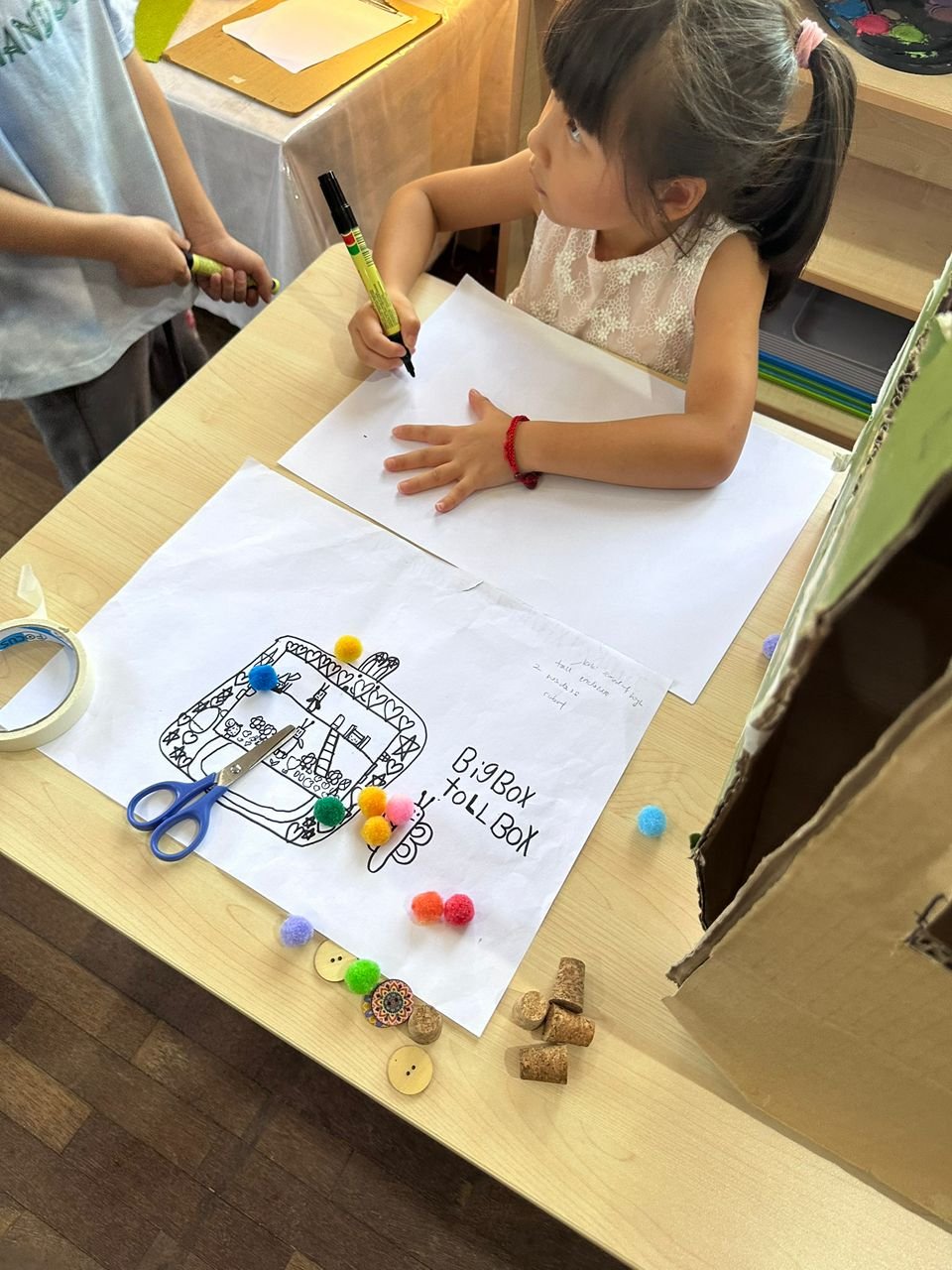
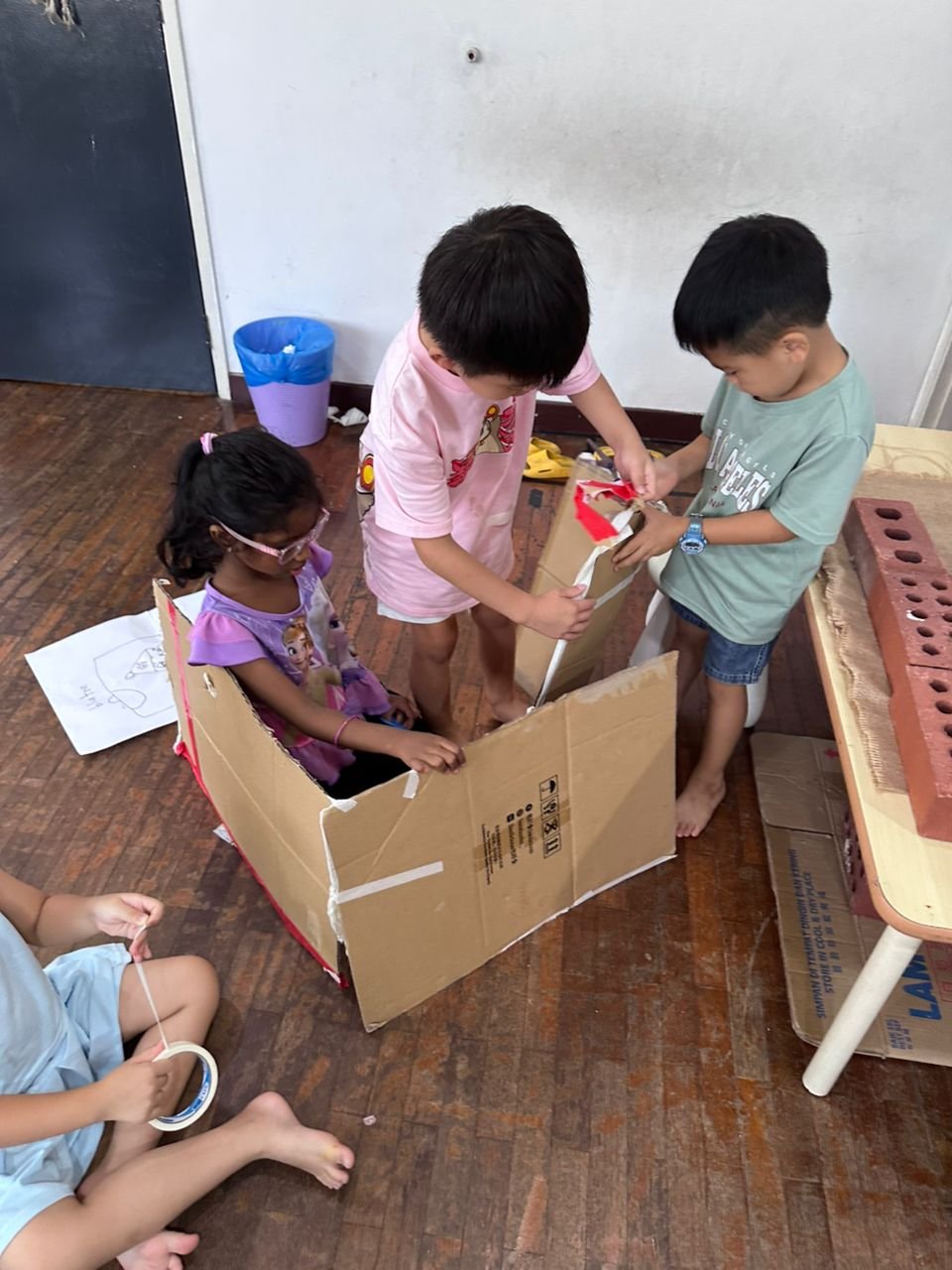
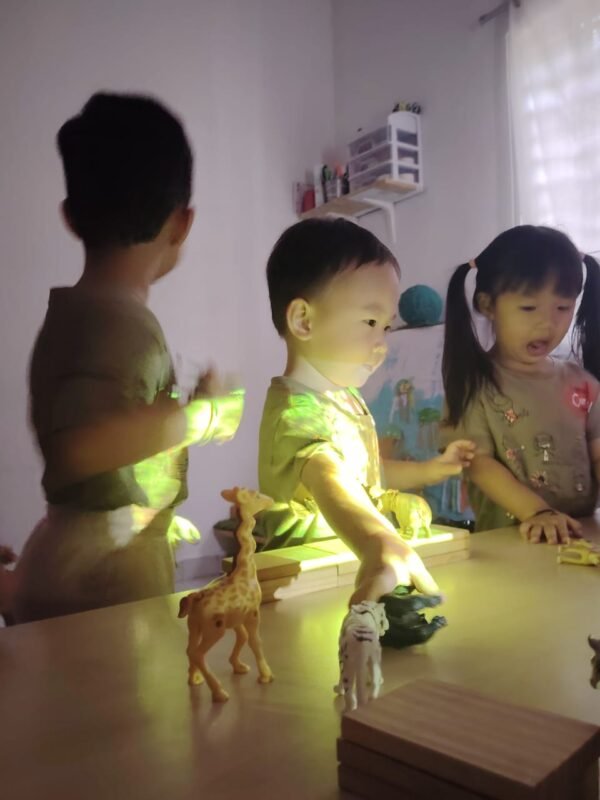
We believe that allowing children to experience manageable challenges helps them learn to assess situations, make decisions, overcome difficulties, and become more confident in their own abilities.
Learning by doing
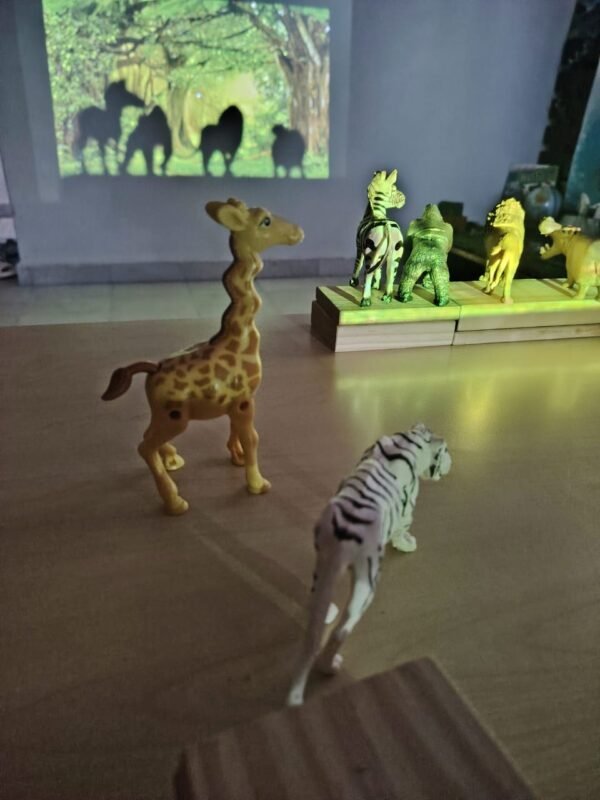
Building, designing, problem-solving, and developing spatial awareness.
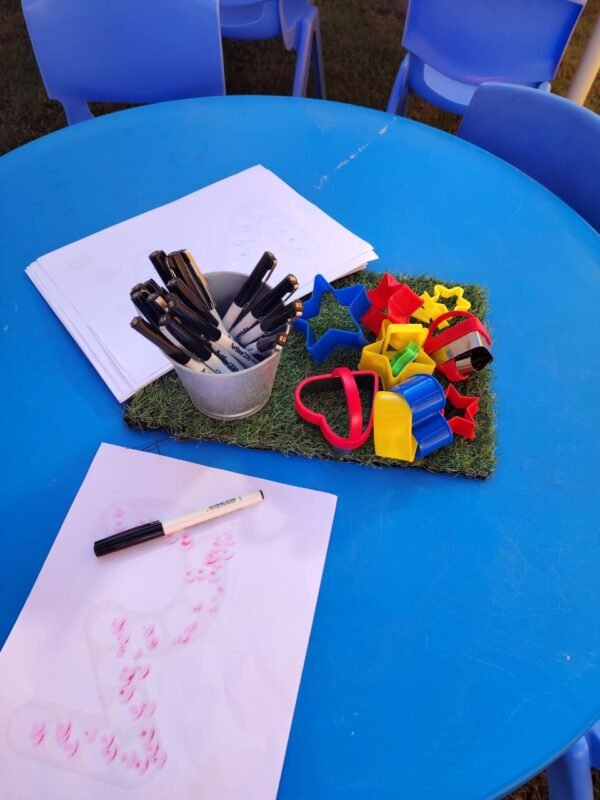
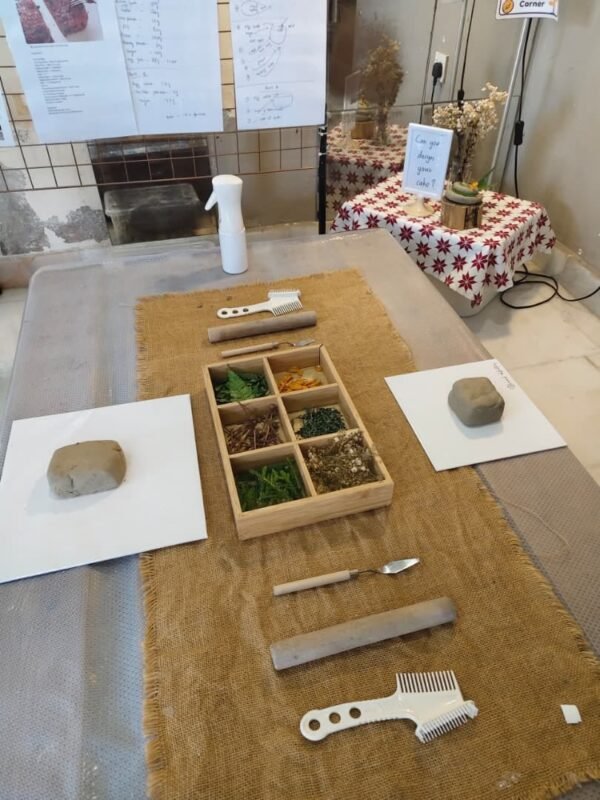
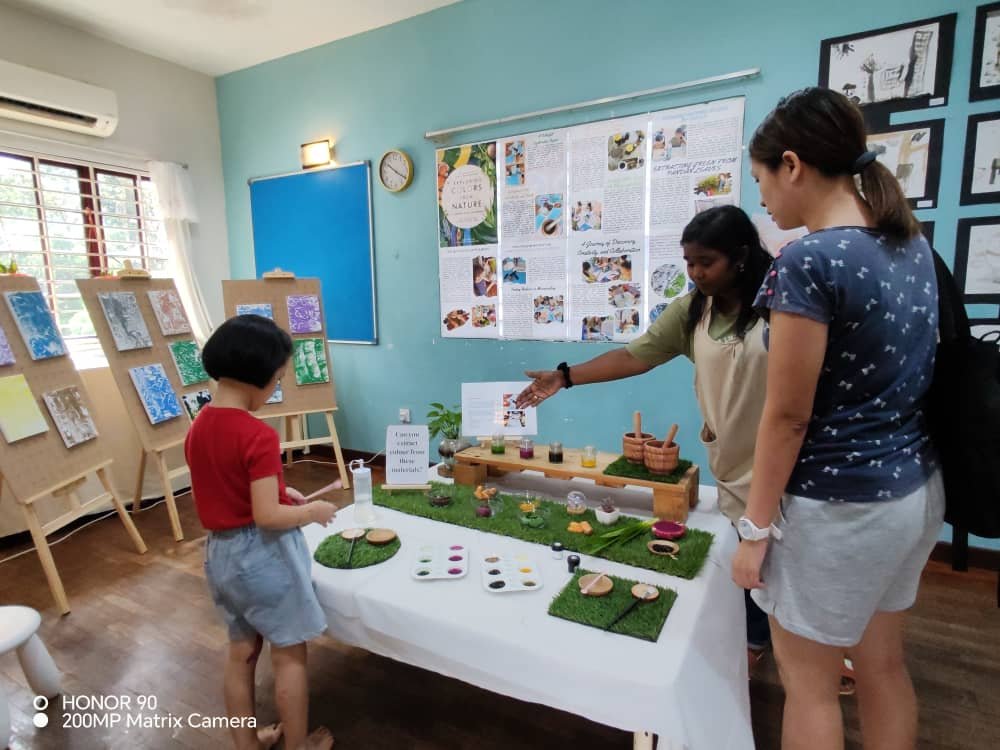
Exploring creativity, self-expression, colours, textures, and different art materials.
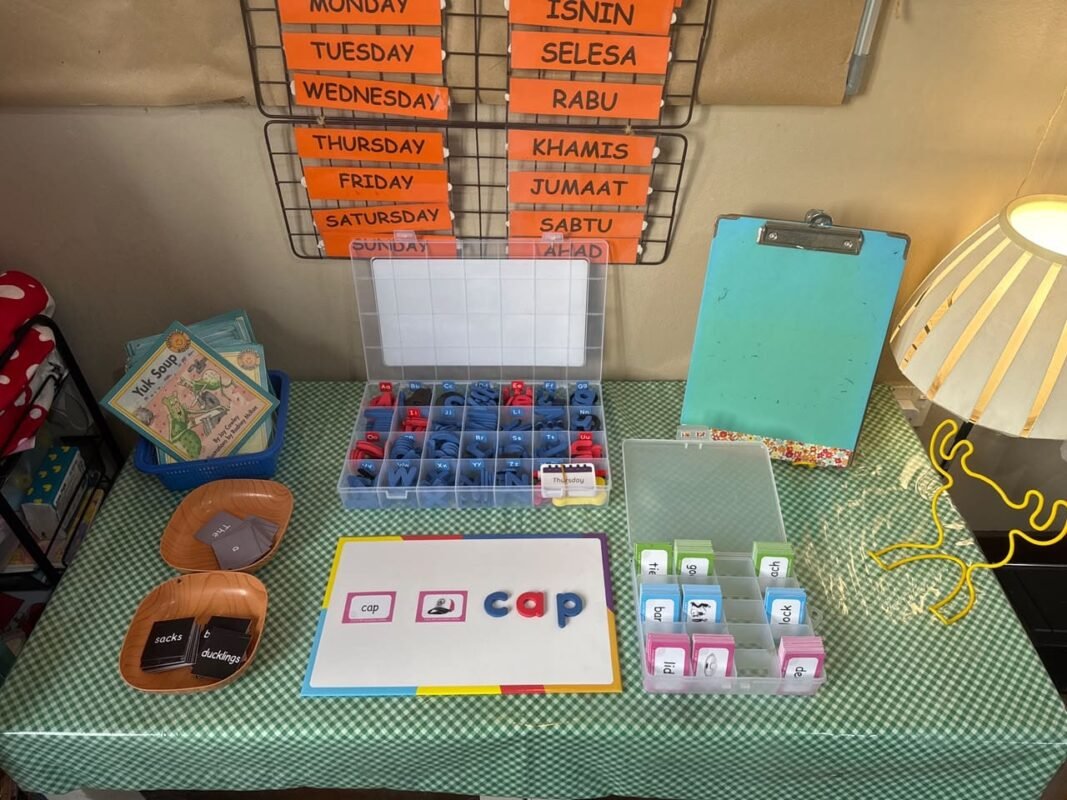
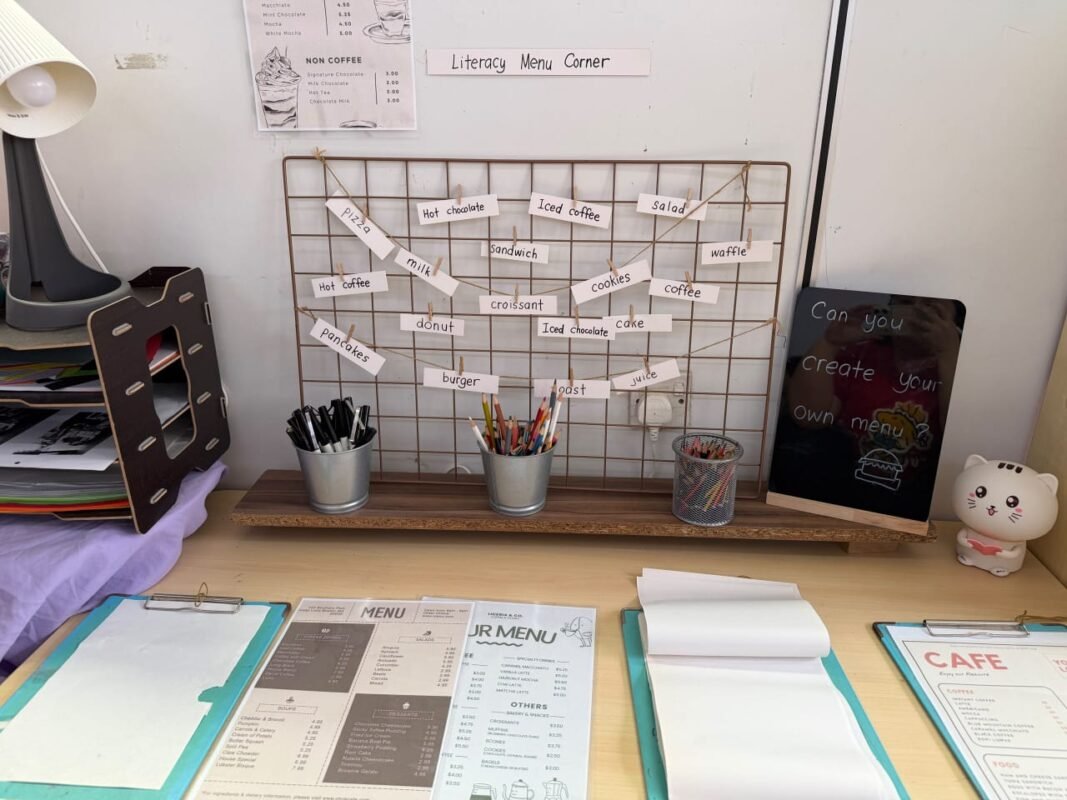
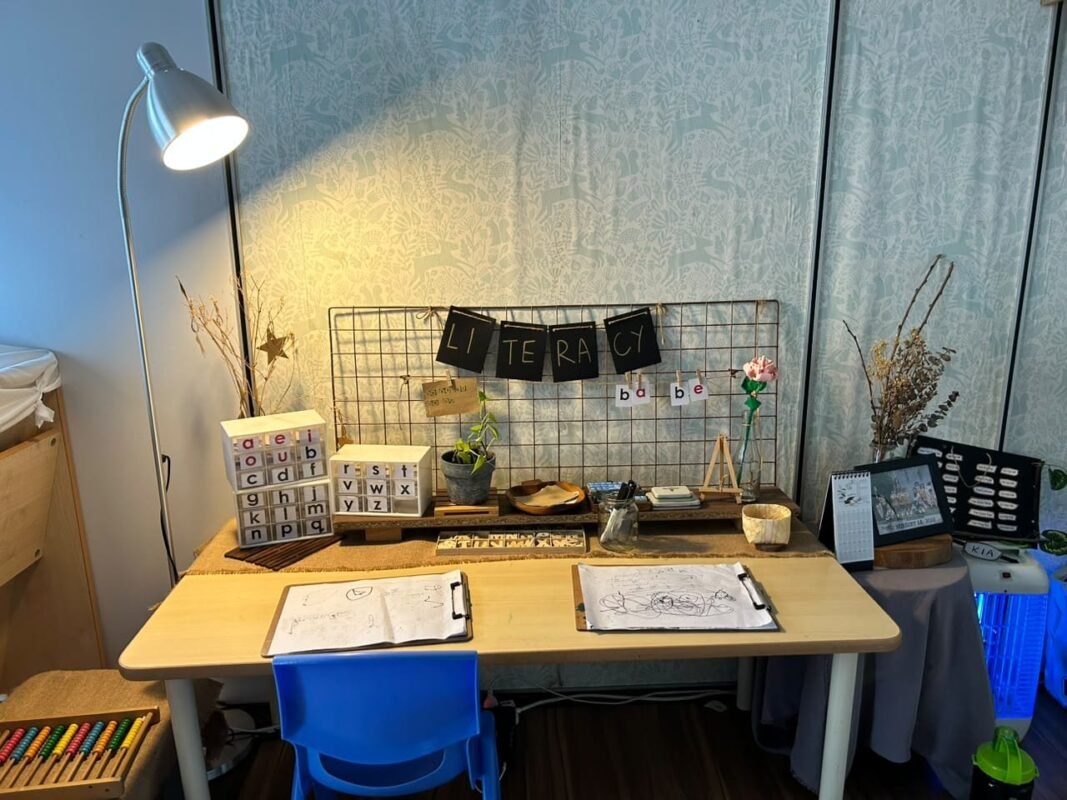
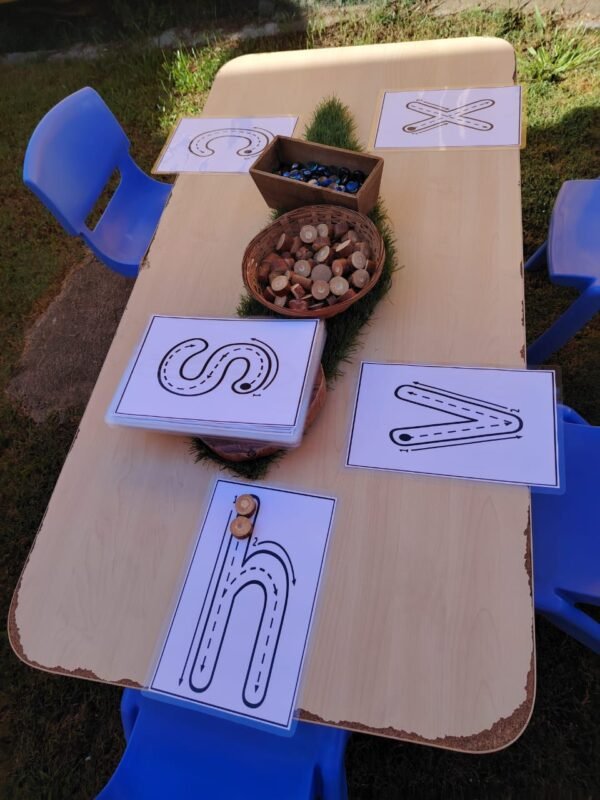
Developing early writing, language, phonics, and communication skills.
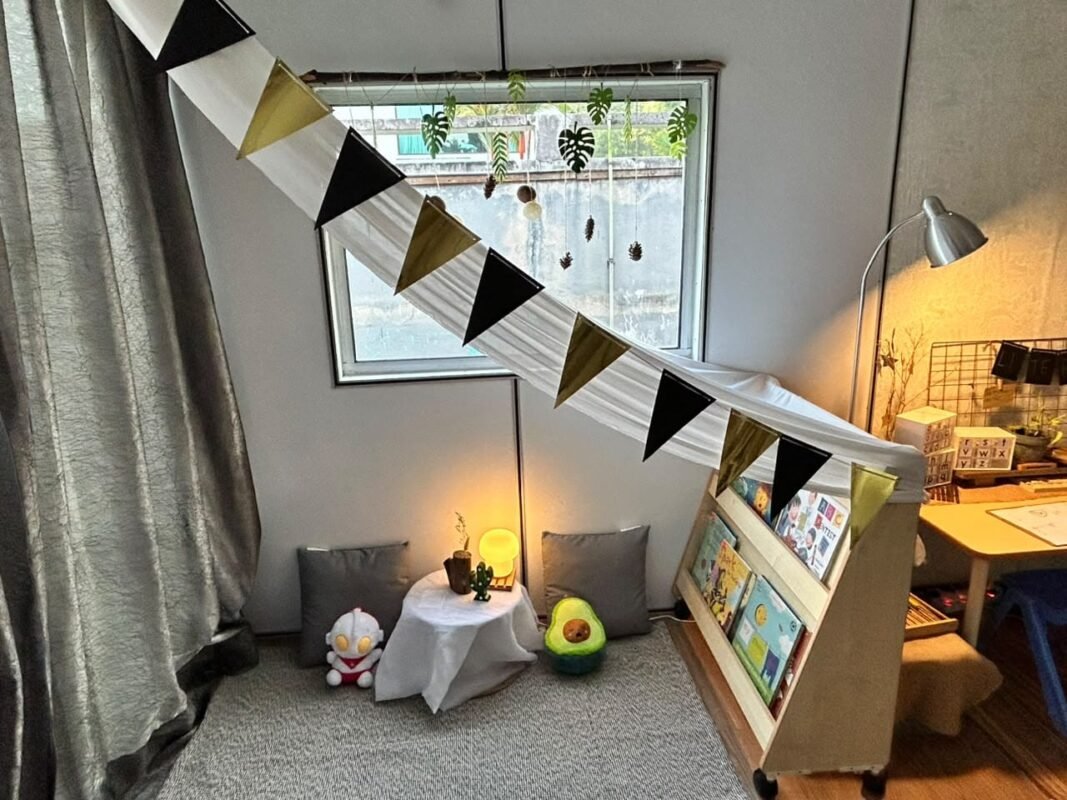
Building a love for books, storytelling, vocabulary, and comprehension.
Developing imagination, communication, social skills, and an understanding of the world.
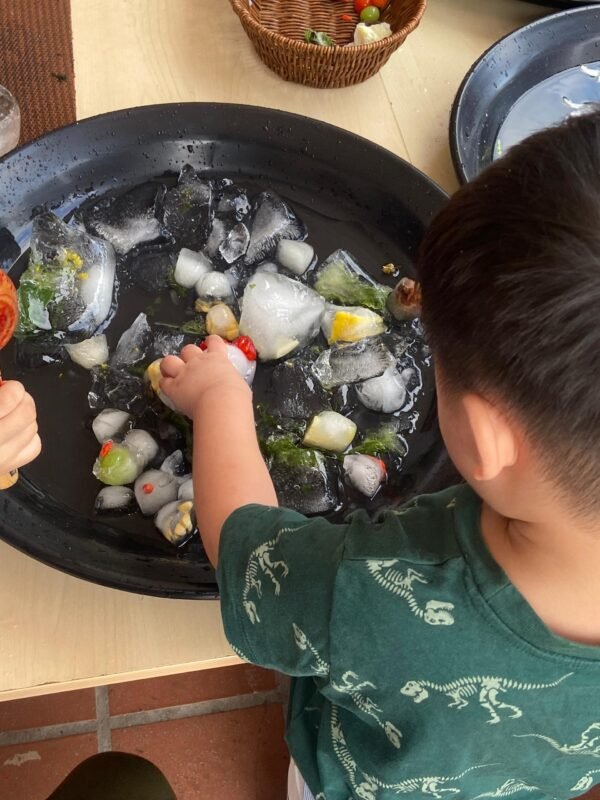
Exploring different textures, sounds, shapes, colours, and sensory experiences.
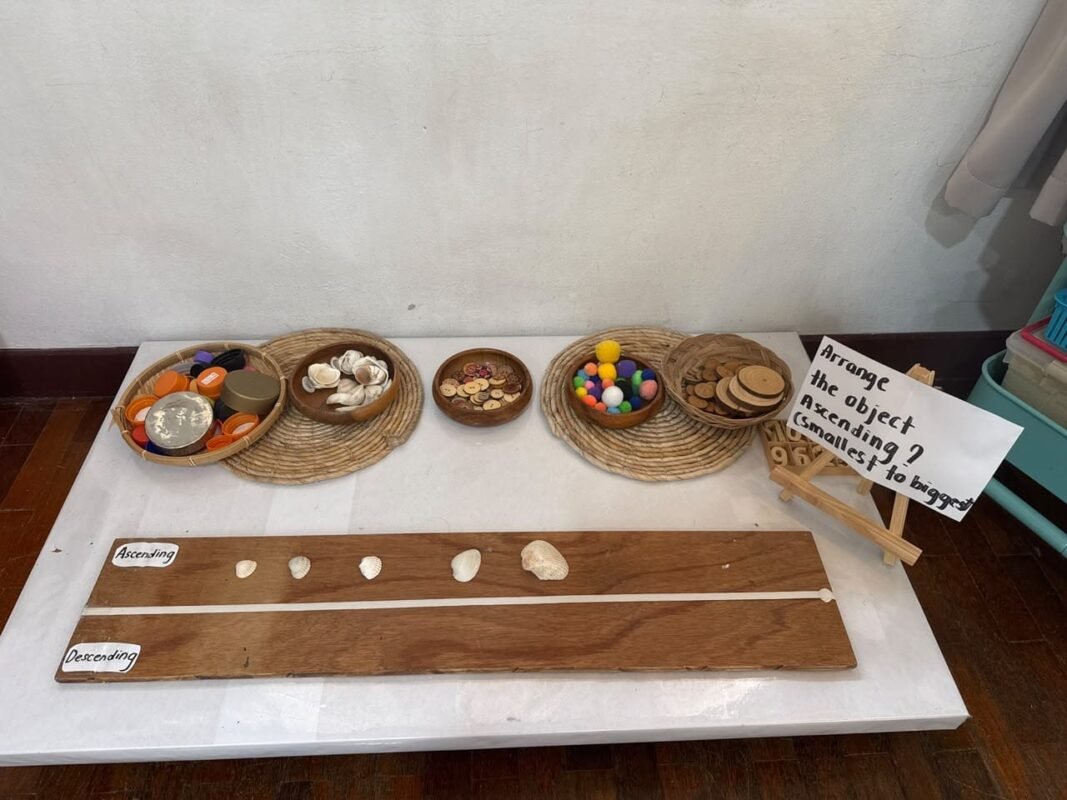
Strengthening fine motor skills, concentration, coordination, and logical thinking.
Children move between them freely, following what they are curious about that day.
Through our combination of Reggio-Inspired Learning, Project-Based Learning, Inquiry-Based Learning, and Risky Play, we create an environment where children are not simply told what to learn. They are encouraged to wonder, question, explore, experiment, collaborate, and discover.
Because at Pumpkin House, we believe that every child has the potential to be a confident thinker, creative problem-solver, curious learner, and active contributor to the world around them.
At Pumpkin House, our curriculum is designed to provide children with a strong foundation for lifelong learning while nurturing their confidence, creativity, curiosity, and communication skills.
We implement Kurikulum Prasekolah 2026 (KP2026) and complement it with a rich, holistic learning experience that supports the development of the whole child.
Languages
Our children are exposed to three languages — English, Bahasa Melayu, and Mandarin. This multilingual environment helps children develop strong communication skills while building an appreciation for different languages and cultures.
Literacy
Our English programme includes English Phonics and Budding Bean English. Phonics helps children build their vocabulary, pronunciation, reading readiness, and confidence in using English. Budding Bean English focuses on developing children’s English comprehension, speaking, and listening skills, helping them communicate confidently in everyday situations.
Numeracy
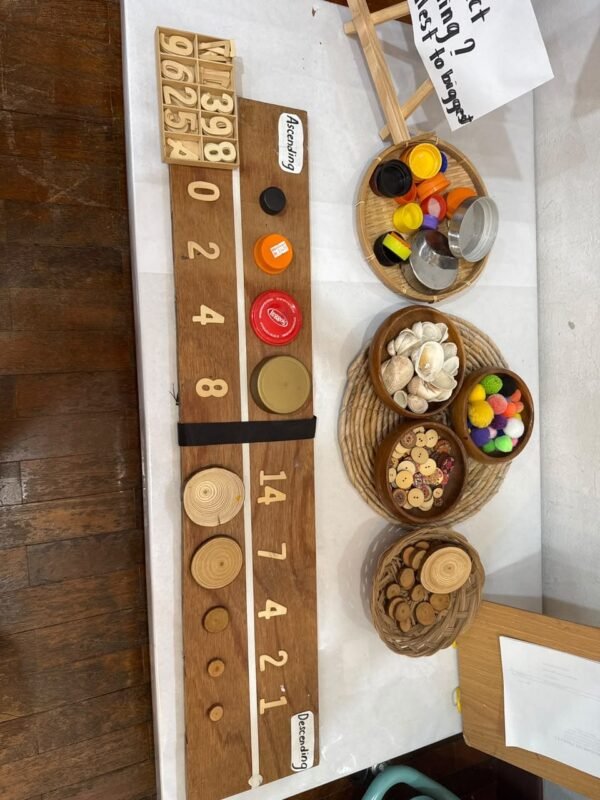
Our Mathematics programme develops early numeracy and logical thinking through age-appropriate activities, hands-on learning, and real-life experiences. Children learn to understand numbers, patterns, shapes, quantities, and basic problem-solving concepts.
Expression
Music and Drama are an important part of our curriculum. Through singing, movement, role-play, and performance, children develop creativity, self-expression, confidence, communication, and social skills.
Movement
We believe children learn not only in the classroom but also through movement and exploration. Every child enjoys 30–60 minutes of outdoor play each day, giving them opportunities to stay active, develop physical skills, interact with friends, and explore their surroundings.
The environment acts as a teacher in its own right — set up so children can reach, choose and return materials by themselves.